From Neon Lights to Pixel Reels: Tracing Design Influences Across Gambling Eras and Platforms
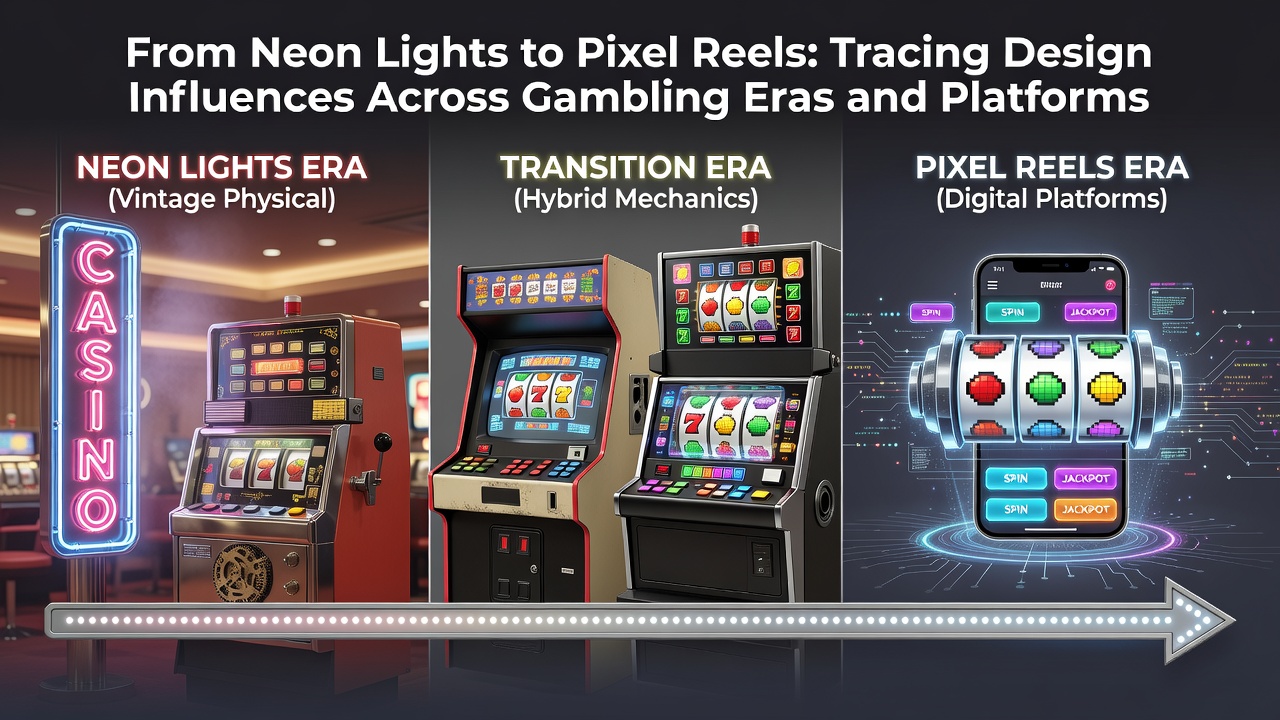
Design elements in gambling have shifted from the physical spectacle of neon signage and mechanical reels to the digital precision of pixel-based interfaces and interactive animations across multiple decades and platforms. This progression reflects technological advances alongside cultural shifts in how casinos present games to players in land-based venues and online environments alike.
Early Foundations in Physical Casino Environments
Observers note that the post-World War II expansion of Las Vegas established neon lights as central to casino identity with towering signs drawing attention to slot areas filled with mechanical machines featuring fruit symbols and simple lever mechanisms. Data from historical records shows these designs emphasized bold colors and illuminated displays to create an atmosphere of excitement in large halls where players interacted directly with hardware. By the 1960s and 1970s electromechanical slots incorporated flashing lights and sounds that echoed the surrounding neon aesthetic while adding basic payout animations on physical reels.
Those who've studied this period find that regulatory changes in Nevada influenced design choices as operators adapted machines to comply with new standards while maintaining visual appeal through brighter cabinetry and thematic artwork drawn from popular culture motifs like Western themes or fruit motifs carried over from earlier models.
Transition to Video Technology in Land-Based Settings
Video slots emerged in the late 1970s and gained traction through the 1980s as manufacturers replaced physical reels with cathode ray tube screens that allowed for more complex symbol combinations and bonus features. Research indicates this shift enabled designers to introduce pixelated graphics that mimicked neon glows through digital color palettes while adding layers of animation not possible in mechanical formats. Casinos in Atlantic City and other jurisdictions adopted these machines rapidly according to industry reports which tracked increased floor space allocation to video poker variants that featured card-based visuals on screens.
What's interesting here is how these early digital displays borrowed from arcade game aesthetics prevalent at the time with blocky sprites and limited color depth that still conveyed energy through rapid reel spins and win sequences. Figures from equipment suppliers reveal thousands of such units installed by the mid-1980s transforming the tactile experience into one mediated by screens yet rooted in the same visual language of bright contrasts and sequential lighting effects.
Online Platforms and the Rise of Pixel Reels
The internet era beginning in the mid-1990s introduced gambling to web-based platforms where design constraints of early browsers shaped initial slot interfaces into pixel-heavy formats with limited resolution and simple HTML-driven animations. Studies from gaming technology firms show that developers replicated land-based themes using 8-bit and 16-bit style graphics to evoke familiar reel mechanics while adapting to dial-up speeds that prioritized functionality over detail. This period saw the emergence of themed games drawing from movies and television with pixel art that emphasized clarity on small monitor sizes common in home computers.
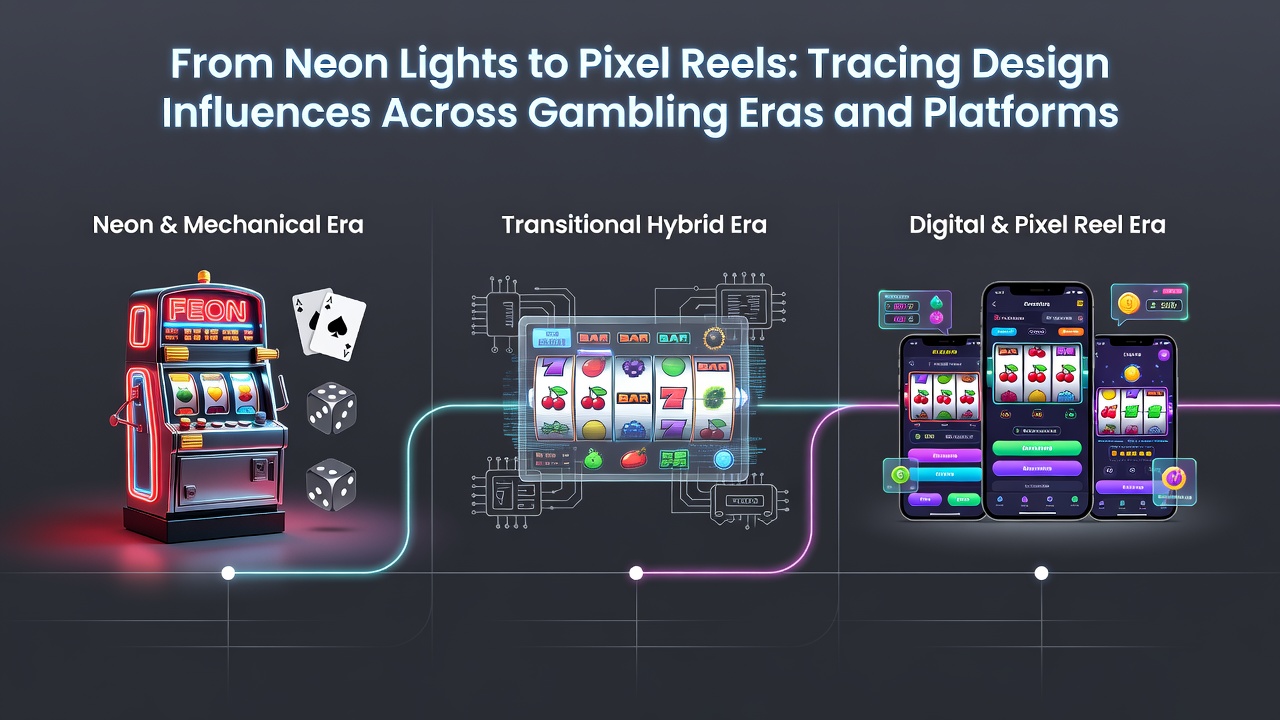
Platforms expanded globally as software providers in Europe and North America refined these elements and data from market analyses indicates steady growth in user engagement tied to improved visual fidelity that incorporated smoother transitions and sound integration. Designers often referenced traditional neon color schemes in digital form to maintain continuity with physical casino experiences even as mobile devices entered the market around 2007.
Cross-Platform Adaptations and Contemporary Influences
Mobile optimization became essential after smartphone adoption accelerated with designers scaling interfaces for touch controls while preserving core visual elements like spinning symbols and bonus rounds. Evidence from industry publications demonstrates how high-definition rendering and 3D modeling replaced earlier pixel limitations allowing for more immersive environments that still nod to historical neon brightness through LED-style effects on screens. Projections in technical forecasts point to further integration of augmented reality features anticipated in updates rolling out by June 2026 which build on these layered design histories.
Those tracking platform evolution highlight influences from video game development practices including particle effects and dynamic lighting that enhance reel mechanics without altering fundamental payout structures. Regulatory bodies in regions such as New Jersey and Ontario have documented how these digital adaptations comply with accessibility standards while expanding thematic variety drawn from global cultural sources.
Key Design Elements Across Eras
- Color usage evolved from physical neon tubes to RGB digital palettes maintaining high contrast for visibility on varied devices.
- Animation sequences progressed from mechanical stops to frame-based pixel movements then to physics-simulated spins in modern software.
- Thematic integration incorporated external media references consistently from early Vegas motifs to current licensed properties across both land-based and online formats.
Analysts at organizations like the American Gaming Association note these patterns through aggregated equipment data while similar observations appear in reports from Australian research centers focused on digital gaming interfaces. A separate study referenced by the Responsible Gambling Council in Canada outlines how platform shifts affect visual presentation without changing underlying game mathematics.
Conclusion
The lineage from neon-illuminated mechanical slots to pixel-driven online reels illustrates continuous adaptation driven by technology and platform requirements across global markets. Each era incorporates prior visual strategies into new formats creating layered influences that persist in current designs while preparing for expanded interactive capabilities projected through 2026 and beyond.