UK Casinos Riding High: Fresh Waves in Regulation, Tech, and Player Habits
UK Gambling Commission Tightens Rules: Casinos Must Report Money Service Offerings Promptly
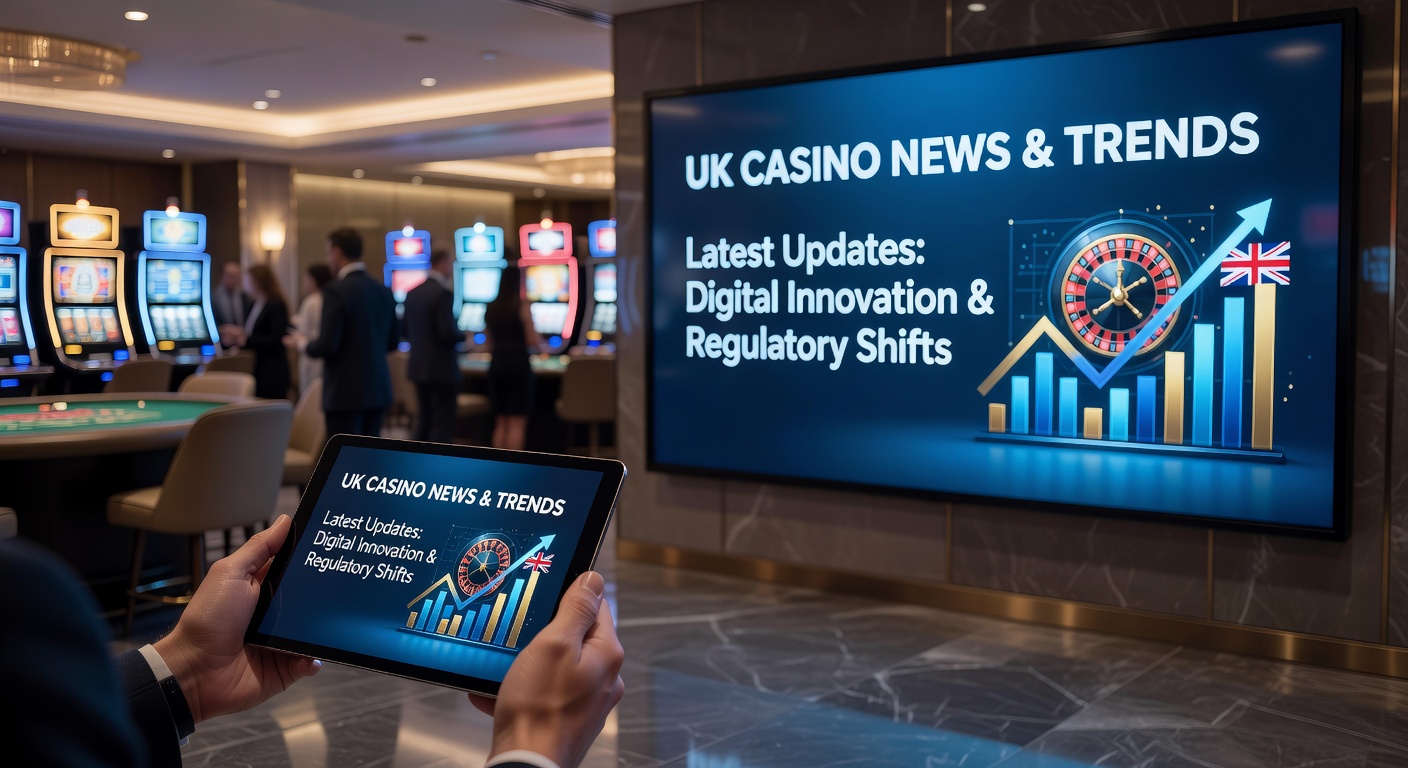
The Latest Update from the Gambling Commission
The UK Gambling Commission has rolled out an updated notice that zeroes in on casinos offering money service businesses, or MSBs, such as third-party cheque cashing or foreign currency exchange; operators now face a strict ten-day window to notify the regulator whenever they start or stop providing these services, a move that builds directly on an initial alert issued back on 9 February 2026 and underscores the ongoing push for tighter compliance amid evolving financial rules.
What's interesting here is how this update sharpens the focus, ensuring casinos stay ahead of requirements tied to the Payment Services Regulations 2017, which demand authorisation or registration with the Financial Conduct Authority for anyone handling certain payment activities; casinos can't just dip into these services without proper oversight, and now the reporting mechanism makes it crystal clear what's expected.
Observers note that this comes at a time when the gambling sector navigates heightened scrutiny, especially as April 2026 brings fresh layers of regulatory attention to financial dealings within land-based venues; those who've tracked Commission actions over the years know this isn't a standalone directive but part of a broader pattern aimed at safeguarding players and aligning with national financial standards.
Breaking Down Money Service Businesses in Casinos
Casinos have long offered conveniences like cheque cashing or currency exchange to keep the action flowing smoothly for patrons from abroad or those preferring cash play; these fall under the umbrella of MSBs, activities that involve transmitting money or exchanging currencies, and while they grease the wheels of high-stakes gaming, they also trigger specific regulatory oversight to prevent misuse such as money laundering or unlicensed payment handling.
Turns out, not every casino dips into these waters, but for those that do, the rules have tightened; the updated notice spells out that notification must happen within ten days of launching or halting such services, whether it's partnering with a third party for cheque cashing or setting up a forex desk right on the casino floor.
And here's where it gets precise: operators submit key details via email to msb@gamblingcommission.gov.uk, including their full legal name, Gambling Commission licence number, exact start or cessation dates for the service, and a clear description of the MSB type; this streamlined process, while straightforward, carries weight because missing the deadline could invite enforcement actions down the line.
Roots in the February 2026 Initial Notice
The groundwork for this update traces back to that 9 February 2026 notice, where the Commission first flagged the need for casinos to report MSB activities; back then, it highlighted the intersection of gambling operations and payment services, urging licensees to check their setups against the Payment Services Regulations 2017 and seek FCA approval if necessary.
But the reality is, as practices evolved and more casinos integrated these services, the regulator saw a gap; the updated version, issued recently, plugs that by formalizing the ten-day reporting rule and providing a dedicated email channel, making compliance less ambiguous and more actionable for operators juggling licences and financial add-ons.
Experts who've studied Commission communications point out that this progression reflects a responsive approach, adapting initial guidance to real-world feedback while keeping the core message intact: casinos providing MSBs must align with both gambling and financial regs, no exceptions.

Linking to Payment Services Regulations 2017
At the heart of this notice lies the Payment Services Regulations 2017, transposed from the EU's revised Payment Services Directive and enforced by the Financial Conduct Authority; these rules cover a range of activities, from payment initiation to currency exchange, requiring firms to hold FCA authorisation if they exceed exemptions like limited networks or low-value transactions.
Casinos offering third-party cheque cashing or forex often cross into this territory, especially when handling customer funds beyond pure gambling stakes; data from regulatory reviews indicates that without proper FCA registration, such operations risk breaching the regs, which could lead to fines, licence reviews, or operational shutdowns.
So, the Commission's notice doesn't just add paperwork, it reinforces that dual compliance—Gambling Commission licence plus FCA nod for MSBs—is non-negotiable; operators who've navigated similar intersections, like those in forex-heavy tourist spots, often discover that proactive notification keeps them on solid ground.
Take one case where a venue overlooked the linkage early on; after Commission outreach, it aligned quickly, submitting details and securing FCA status, a reminder that the system's designed for transparency rather than punishment when followed promptly.
Step-by-Step: What Casinos Need to Do
First off, identify if your operation qualifies as an MSB provider—think cheque cashing via third parties or on-site currency swaps; if yes, clock the start or stop date and prepare the email within ten days, listing full name, licence number (that unique Gambling Commission identifier), service dates, and MSB specifics.
Send it straight to msb@gamblingcommission.gov.uk, keeping records handy for any follow-ups; the notice stresses accuracy, since this feeds into broader monitoring of financial flows in the sector.
Yet, it's not just about reporting; casinos must ensure FCA compliance too, applying for authorisation if their MSB volume hits thresholds outlined in the 2017 regs—exemptions exist for incidental services, but those who've parsed the fine print know they narrow quickly for gambling venues.
- Full legal name of the casino operator.
- Gambling Commission licence number.
- Precise date service began or ended.
- Description of the MSB, e.g., "third-party cheque cashing" or "foreign exchange."
This list, simple on paper, packs regulatory punch, helping the Commission map MSB prevalence across licensed premises.
Broader Context in the UK Gambling Landscape
Land-based casinos in the UK, numbering around 150 or so under Commission oversight, cater to diverse crowds where cash remains king for many; services like forex smooth international play, but they also spotlight the sector's financial underbelly, where AML checks and payment regs converge.
Figures from Commission reports reveal that MSB notifications have ticked up since the initial 2026 notice, signaling operators taking note; as April 2026 unfolds, this update arrives amid other tweaks, like enhanced player protection measures, painting a picture of a maturing industry under vigilant eyes.
People in the know highlight how this fits larger trends—post-Brexit financial alignment, PSD2 legacy, and rising focus on illicit finance—yet casinos that comply swiftly often find it streamlines operations, avoiding the headaches of retroactive fixes.
Now, with the dedicated email and clear timeline, the ball's squarely in operators' courts; those dragging feet risk not just fines but reputational hits in a competitive field.
Potential Impacts and Operator Responses
Early responses from casino chains suggest quick adaptation, with some publicly confirming MSB pauses or FCA pursuits; smaller independents, meanwhile, weigh costs, as FCA applications involve due diligence, fees, and ongoing reporting that add layers to core gaming focus.
But here's the thing: non-compliance carries steeper stakes, with the Commission wielding powers to suspend licences or impose penalties under the Gambling Act 2005, compounded by FCA sanctions for PSR breaches—evidence from past cases shows fines reaching millions for financial lapses.
Observers who've followed the beat note that venues in high-tourist areas, like London or Manchester casinos, feel this most acutely, given forex demand; one study of operator filings post-initial notice found over 20% adjusting services, a trend likely accelerating now.
It's noteworthy that the update emphasizes voluntary alignment, positioning the Commission as partner rather than punisher, though the ten-day clock ticks relentlessly.
Conclusion
This updated notice from the UK Gambling Commission crystallizes expectations for casinos venturing into MSBs, mandating swift notifications via msb@gamblingcommission.gov.uk with precise details on names, licences, dates, and service types; building on the 9 February 2026 foundation, it dovetails seamlessly with Payment Services Regulations 2017 and FCA requirements, ensuring financial activities in gambling venues meet national standards.
As April 2026 progresses, operators who embed this into routines stand best positioned, turning potential pitfalls into routine compliance; the sector, ever adaptive, shows signs of rising to the challenge, with transparent reporting fostering trust across players, regulators, and stakeholders alike.
In the end, while the rules demand vigilance, they also clarify paths forward, keeping the focus where it belongs—on fair, secure gaming environments.